Compare Local Contractors for Residential Concrete Paving Projects
Compare local contractors for residential concrete paving to define scope, verify experience, and set clear expectations for your project.
Residential concrete paving projects typically include activities such as installing driveways, walkways, patios, and other flat surfaces made from concrete. These projects often involve preparing the ground, laying a stable base, and pouring or finishing the concrete to create durable, level surfaces that enhance the property's functionality and appearance. Proper planning and execution are essential to ensure the finished work withstands daily use and weather conditions, making it important to work with experienced service providers who understand the specific requirements of residential paving.
Clearly defining the scope of a concrete paving project is a vital step in ensuring expectations are aligned and the work proceeds smoothly. Property owners should specify details such as the size and shape of the paved area, surface finish preferences, and any additional features like edging or decorative elements. Having a detailed scope helps prevent misunderstandings, facilitates accurate comparisons among local contractors, and provides a basis for evaluating the quality and comprehensiveness of their proposals.
When comparing local contractors for residential concrete paving, property owners should consider their experience with similar projects, the quality of their past work, and their ability to clearly communicate project details. It’s helpful to review references or portfolios if available, and to verify that the contractor understands the scope of work as outlined. Additionally, obtaining written descriptions of the services to be provided ensures that all parties have a shared understanding of the project’s expectations, which can contribute to a smoother process and more satisfactory results.
Compare local contractors by outlining your project priorities, verifying experience, and setting clear expectations in writing.
- Compare Contractor Experience - review the backgrounds of local contractors to ensure relevant expertise in residential concrete paving.
- Define Project Scope Clearly - specify your paving needs in writing to help contractors understand expectations.
- Verify Qualifications and References - check references and past work to assess the reliability of local service providers.
- Request Written Estimates and Agreements - obtain detailed written proposals to clarify project scope and avoid misunderstandings.

Clearly define your residential concrete paving project to effectively compare local contractors, verify experience, and set expectations in writing.
- Verify experience and expertise in residential concrete paving projects to ensure quality workmanship. - Assess the contractor’s portfolio or references to confirm familiarity with similar paving jobs.
- Define the scope of work clearly in writing, including surface preparation, finish type, and any additional features. - Ensure all project details are documented to prevent misunderstandings or scope creep.
- Compare multiple local contractors to evaluate their approach, communication, and professionalism. - Look for consistency in responses and thoroughness in their explanations.
- Check that the contractor provides a detailed written estimate outlining materials, methods, and project specifications. - A comprehensive scope in writing helps set clear expectations for the project.
- Confirm that the contractor adheres to proper site preparation and safety standards relevant to residential paving. - Proper preparation and safety practices are essential for durable and safe paving results.
- Discuss and agree upon the project timeline, payment terms, and warranty details before work begins. - Clear agreements in these areas help ensure smooth project execution and accountability.
Compare local contractors’ experience and clarify project scope to ensure smooth residential concrete paving.
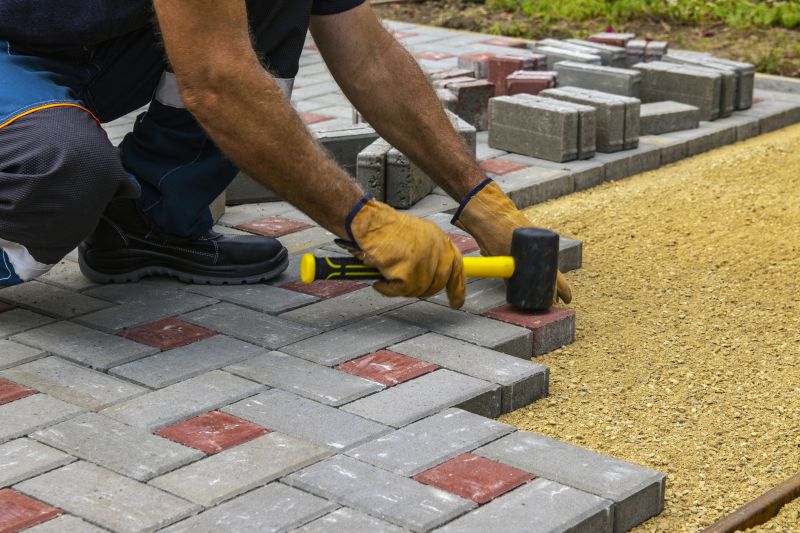



This scope builder helps compare residential concrete paving contractors consistently by defining work details, verifying experience, and clarifying expectations.
- Project Scope - Clearly define the size, shape, and specific areas to be paved for the residential project.
- Material Specifications - Specify the type and quality of concrete and finishing details required for the paving.
- Preparation and Site Conditions - Identify site preparation needs, including grading, sub-base, and access considerations.
- Work Responsibilities - Outline the responsibilities of the service provider, including excavation, pouring, finishing, and curing.
- Warranty and Maintenance Expectations - Establish any warranty coverage and maintenance requirements to ensure longevity of the paving.
When evaluating contractors for residential concrete paving, it’s important to consider their experience with similar projects. Contractors who have completed paving work comparable to the scope of a homeowner’s project are more likely to understand the specific requirements and potential challenges involved. Asking about past projects that resemble the current job can provide insight into their familiarity with driveway, patio, or walkway installations, ensuring they have the practical knowledge needed to deliver quality results.
A clear, written scope of work is essential for establishing shared expectations. Homeowners should seek contractors who can provide detailed descriptions of the work to be performed, including the materials to be used, the extent of preparation, and the finishing techniques. Having this information in writing helps prevent misunderstandings and provides a basis for evaluating whether the contractor’s approach aligns with the project’s goals. It also serves as a reference point throughout the process, should any questions or issues arise.
Verification of a contractor’s experience can be supported by requesting references or examples of completed projects. While formal credentials are not the focus, speaking with previous clients or inspecting completed work can offer valuable insights into the contractor’s craftsmanship and reliability. Additionally, confirming that the contractor has a consistent track record of successful projects similar in scope can help ensure the chosen service provider is capable of handling the specific demands of residential paving.
When comparing options, it’s helpful to assess how each contractor plans to approach the project and whether their proposed scope aligns with the homeowner’s expectations. Clarify details about the materials, techniques, and level of finish they intend to provide. It’s also important to verify that the contractor’s proposed scope covers all necessary aspects of the project, from site preparation to finishing touches. By focusing on the scope and verifying experience, homeowners can make informed decisions and select a service provider capable of delivering a durable, well-executed concrete paving project.
Ask contractors to provide written scope details to ensure clear expectations and consistent project understanding.
- Experience and Portfolio - What types of residential paving projects have the contractors completed recently?
- Scope of Work - How do the contractors define and clarify the specific work included in the paving project?
- Materials and Techniques - What materials and installation methods do the service providers typically use for residential concrete paving?
- Project Expectations - How do contractors communicate and document the project scope, responsibilities, and deliverables?
- Comparison Factors - What criteria should be used to compare the qualifications and approaches of different local contractors?
How can I compare residential concrete paving contractors? Look for providers with proven experience, clear project scopes, and detailed written estimates to ensure compatibility with specific paving needs.
What should I consider when defining the scope of a concrete paving project? Clearly outline the size, design, and finish preferences, and confirm that contractors understand and agree on these details in writing.
How can I verify the experience of local contractors for concrete paving? Review their past work, request references, and check for a history of completed residential paving projects similar to your requirements.
Why is it important to have project details in writing? Having scope, materials, and expectations documented helps prevent misunderstandings and provides a clear reference for project execution.
What questions should I ask when evaluating potential concrete paving service providers? Inquire about their experience with similar projects, their process for handling scope changes, and how they ensure quality and durability.
How can I ensure the contractor understands my specific paving preferences? Communicate your requirements clearly and request a detailed written plan that confirms all aspects of the project before work begins.
Understanding the key aspects of residential concrete paving projects can help in making informed decisions. Visitors have learned how to compare local contractors effectively by defining the scope of work, verifying relevant experience, and ensuring that all project details are clearly outlined in writing. This approach supports setting realistic expectations and selecting service providers capable of meeting specific needs.
To explore and compare different local contractors for residential concrete paving, using the quote form is a practical step. It simplifies the process of connecting with qualified service providers who can handle the job, making it easier to gather information and find options that align with individual project requirements.